Renovating a New Home? Here's Why You Don't Have to Do Everything at Once

When we bought our 1930s home, I felt this overwhelming pressure to renovate everything immediately.

Part of that was because it's literally my job. But the bigger part was that we had just moved our family out of a home that felt completely finished and curated into one where almost nothing fit. The furniture looked different, the rooms functioned differently, and the style of the home was completely different from what we were used to. Everywhere I looked, I saw another project that needed attention.

It felt like I needed to fix everything all at once.

But I had to remind myself of the advice I always come back to: home takes time.

Having lived through a full-house renovation before, I knew I didn't want our family living in constant construction for years or rushing expensive decisions just to get to the finish line. Instead, we decided to be intentional, focusing on projects that would make the biggest impact on our daily lives while giving ourselves the freedom to make thoughtful decisions about everything else.

Looking back, I'm so glad we did.

Start with the Landscaping
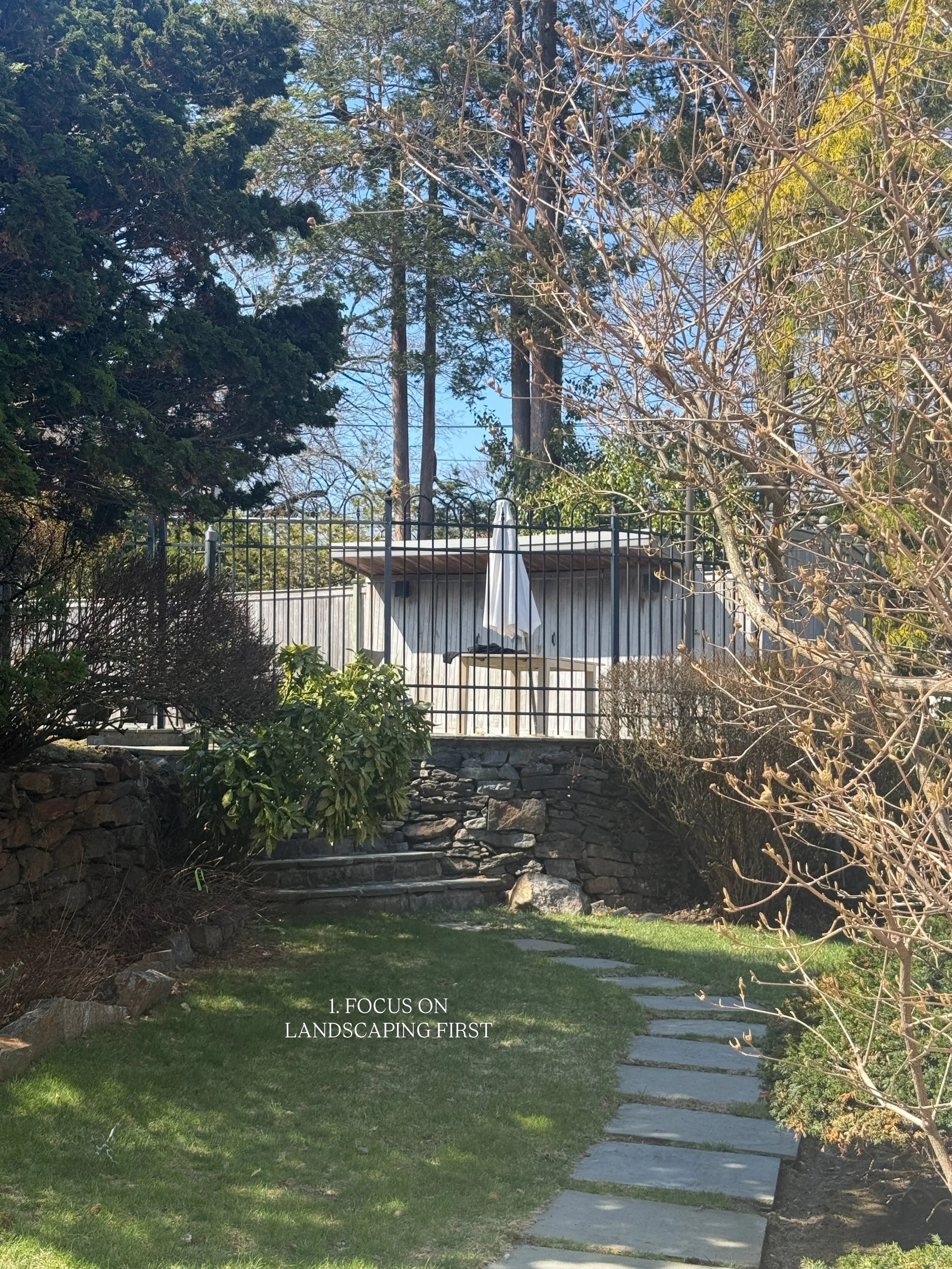
Landscaping is often overlooked when you're eager to update kitchens and bathrooms, but it can completely transform how your home feels. Cleaning up overgrown beds, adding fresh mulch, trimming shrubs, planting flowers, or creating welcoming pathways instantly boosts curb appeal and helps your house feel cared for before you ever step inside.

It also gives you a sense of pride every time you pull into the driveway, even if the inside is still very much a work in progress.

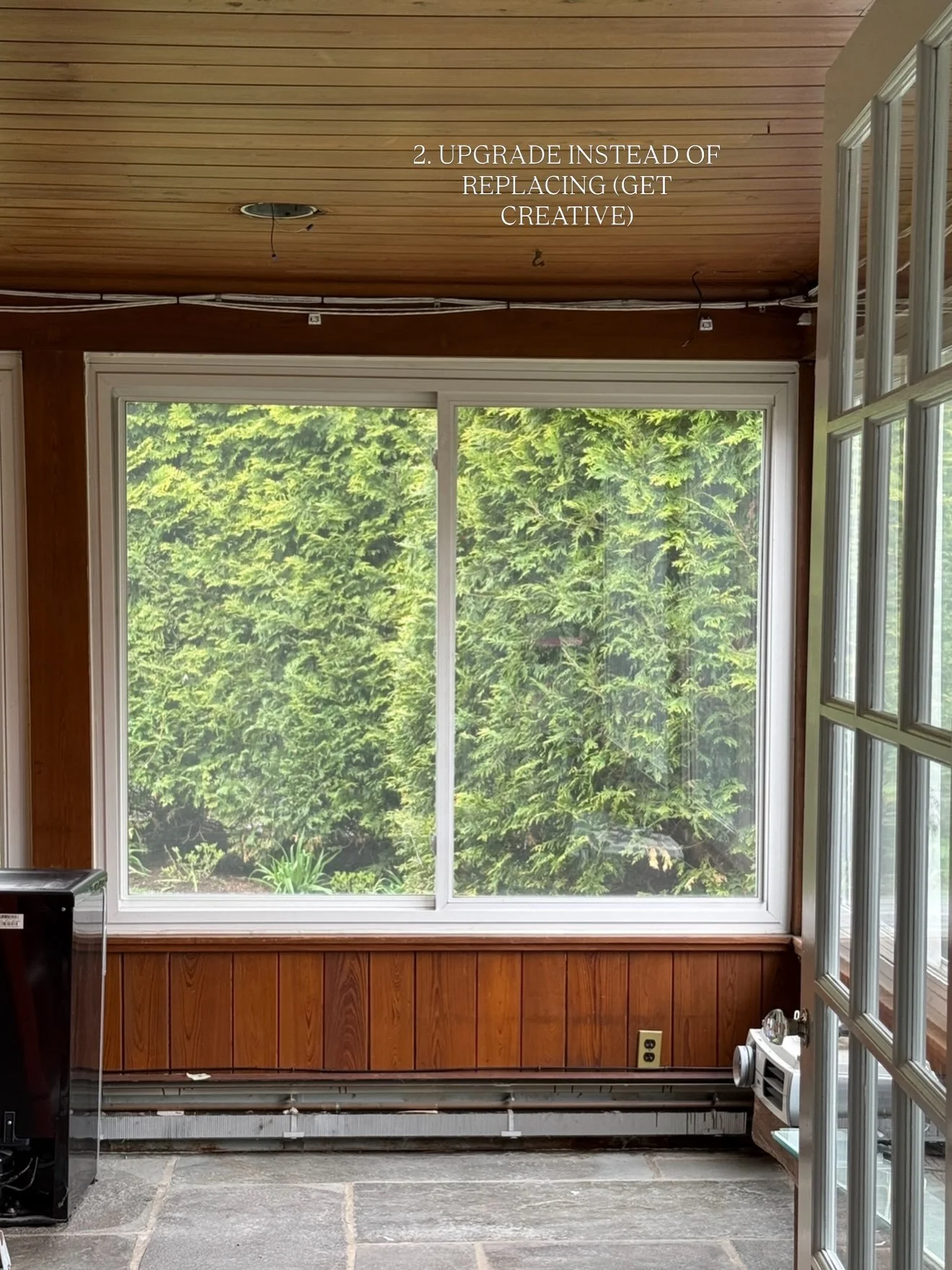
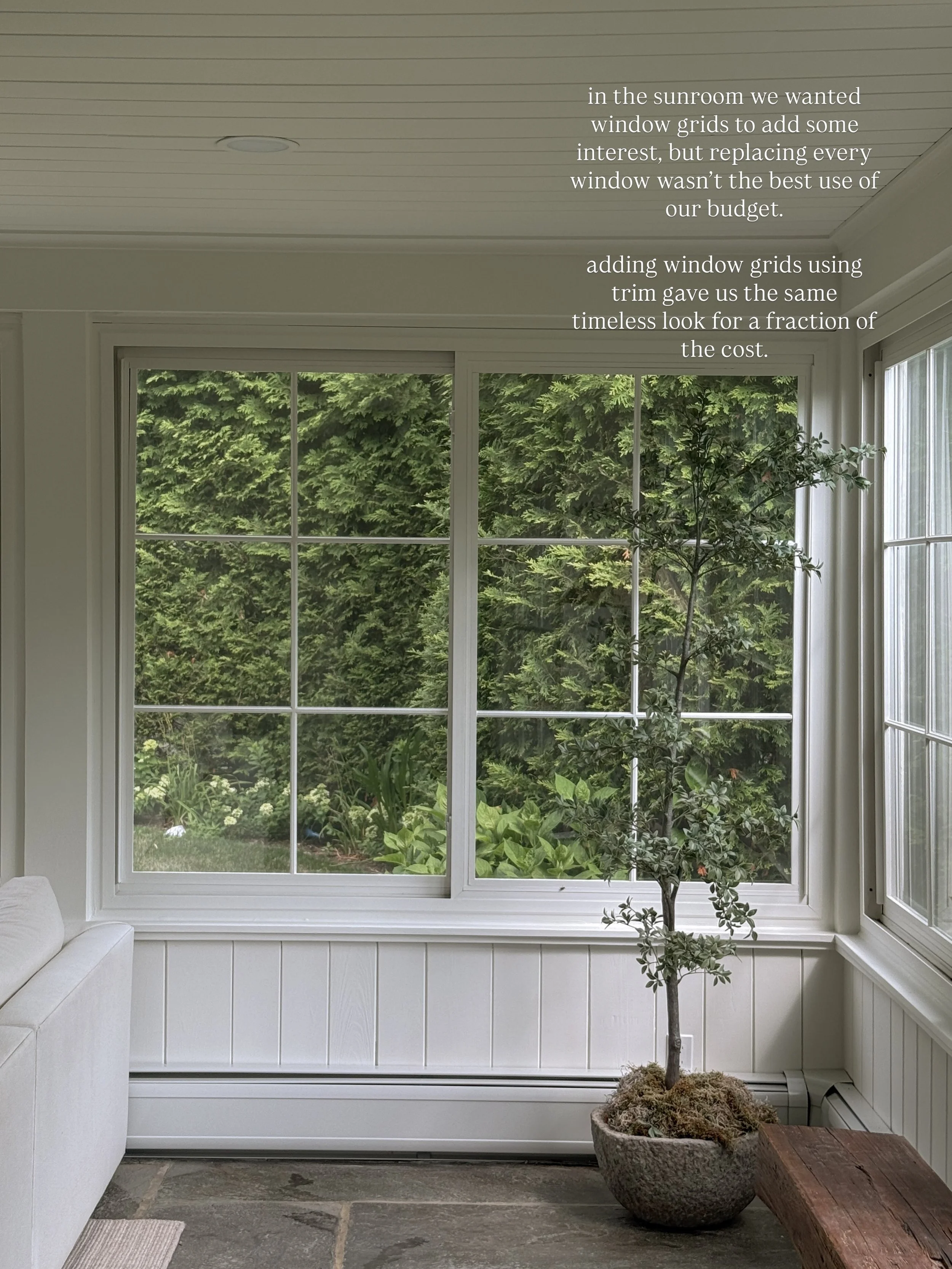
Upgrade Before You Replace

When you move into a new home, it's easy to assume everything needs to be replaced. We quickly realized that wasn't always true.

Instead of immediately tearing everything out, we looked for ways to refresh what we already had. A fresh coat of paint, updated cabinet hardware, new light fixtures, refinished furniture, or replacing outdated faucets often made a dramatic difference without the cost of a full renovation.

Not only did this save money, but it also gave us more time to determine what truly needed replacing versus what simply needed a little love.

When you move into a new home, it's easy to assume everything needs to be replaced. We quickly realized that wasn't always true.

Instead of immediately tearing everything out, we looked for ways to refresh what we already had. A fresh coat of paint, updated cabinet hardware, new light fixtures, refinished furniture, or replacing outdated faucets often made a dramatic difference without the cost of a full renovation.

Not only did this save money, but it also gave us more time to determine what truly needed replacing versus what simply needed a little love.

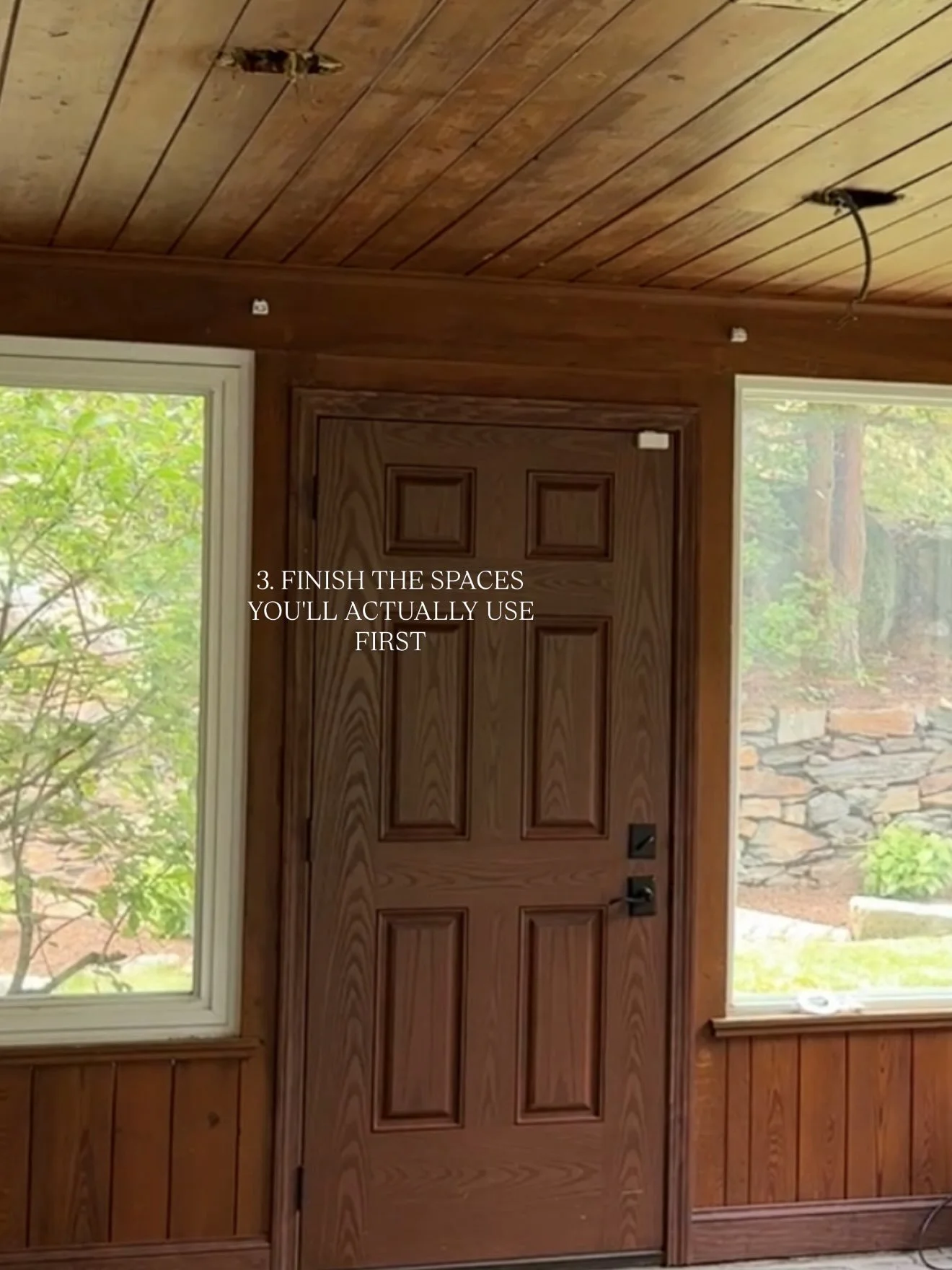
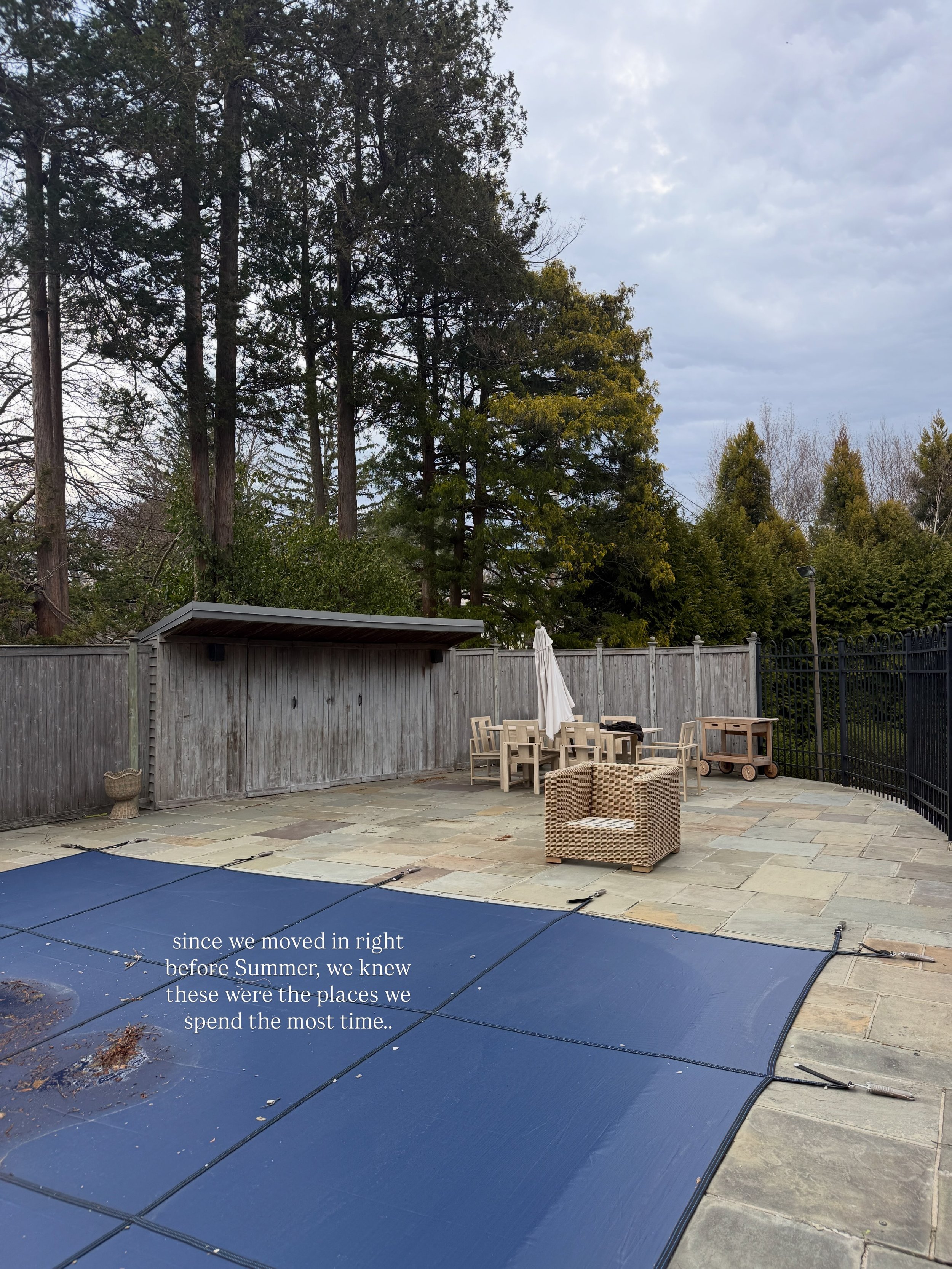
Finish the Spaces You'll Use Every Day

It can be tempting to spread your budget across the entire house, but focusing on the rooms you use most every day makes the biggest difference.

For us, that meant prioritizing the Pool, living spaces, bedrooms, and bathrooms before worrying about guest rooms or other spaces that could wait. Having a few finished, functional rooms created a sense of peace and normalcy, even while other areas remained unfinished.

Progress doesn't have to happen everywhere at once to make your home feel complete.

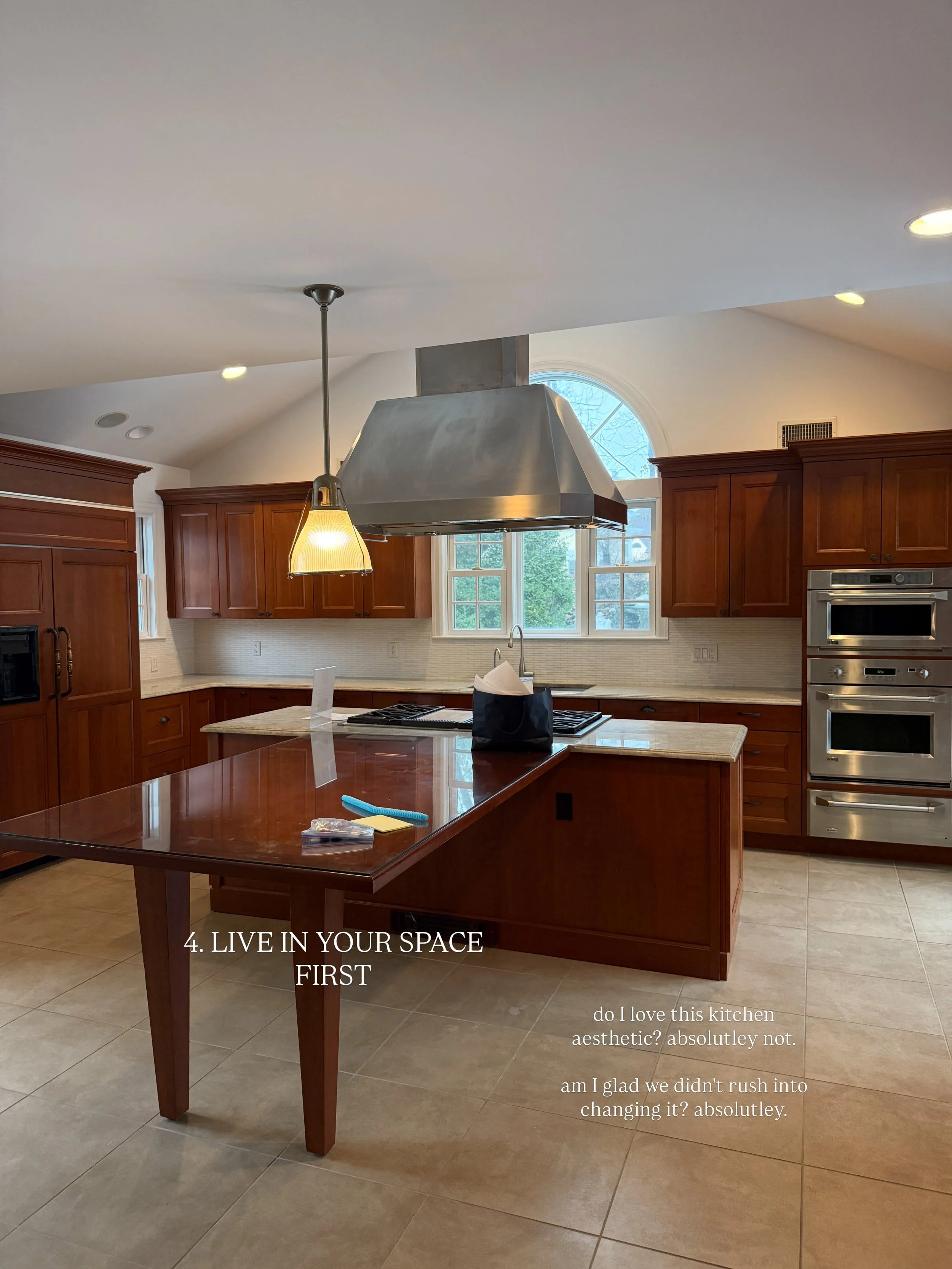
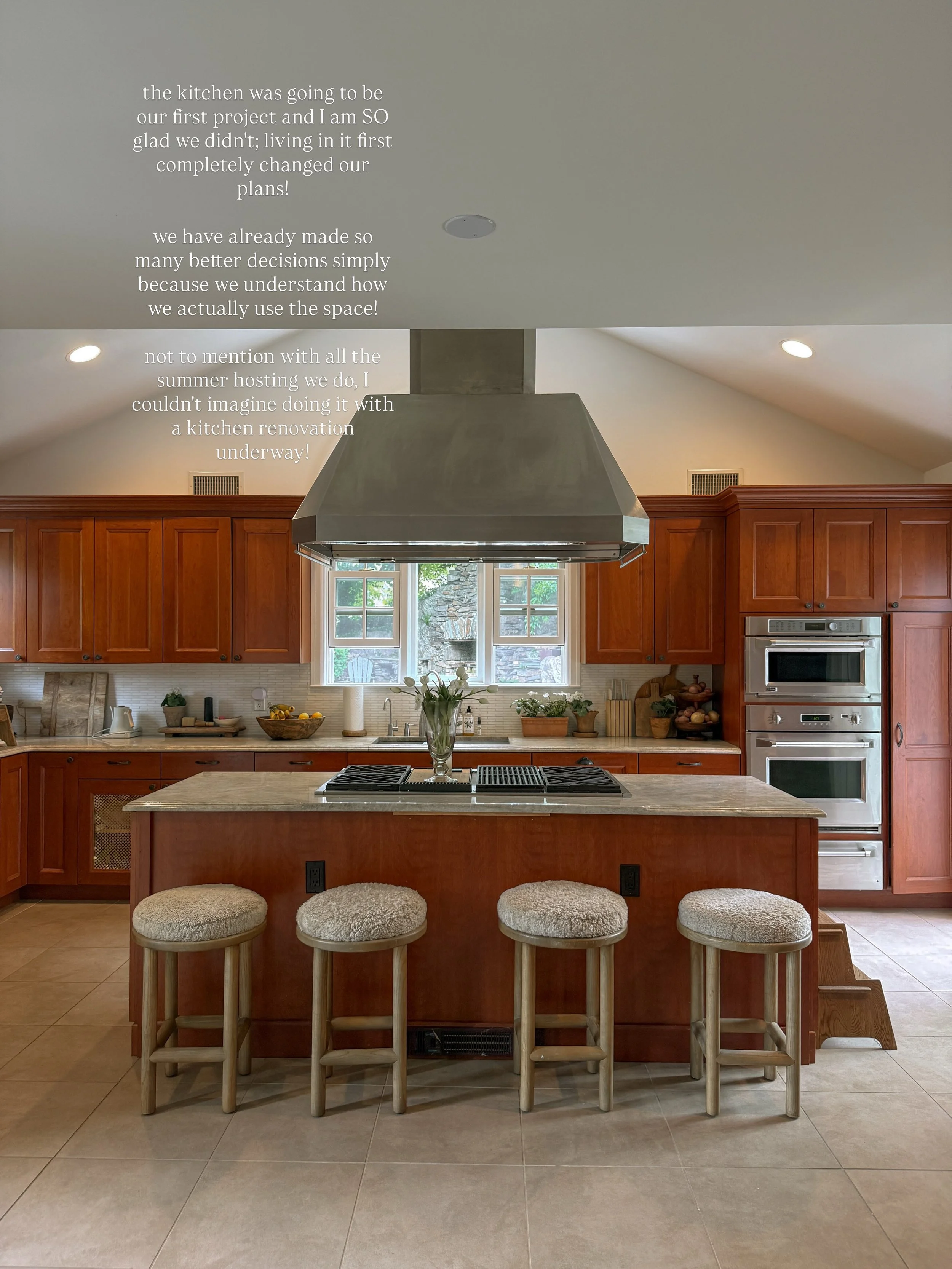
Live in Your Home Before Making Big Decisions

This may be the hardest advice to follow, but it's the one I'm most grateful we listened to.

Until you've lived in a home through different seasons, routines, and holidays, you don't really know how each space functions. The room you thought would become a home office may work better as a playroom. The wall you wanted to remove might actually create much-needed separation. Furniture layouts, storage needs, and traffic patterns all become much clearer after you've spent time living in the space.

Waiting helped us avoid costly mistakes and allowed us to make decisions based on how we actually live, not just how we imagined we would.

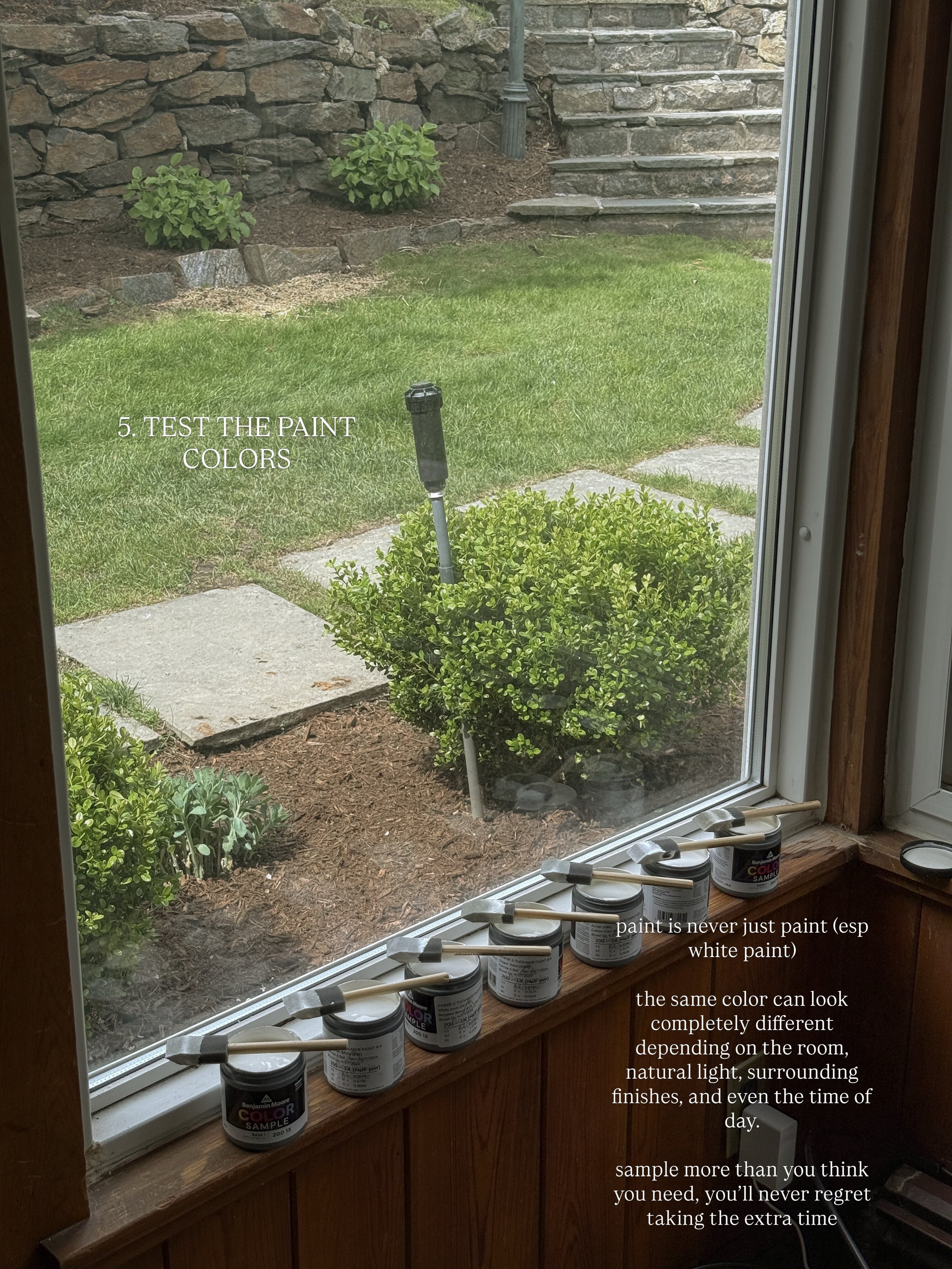
Always Test Paint Colors First

Paint seems like one of the easiest decisions you'll make, but lighting changes everything.

A color that looks perfect in the store or on Pinterest can feel completely different once it's on your walls. Before committing, we tested several samples and lived with them for a few days, seeing how they changed from morning to afternoon to evening.

Taking this extra step saved us from repainting and helped us choose colors that truly complemented both the natural light and the character of our older home.

A Home Is Meant to Evolve

Looking back, I'm grateful we resisted the urge to renovate everything immediately. Slowing down allowed us to appreciate our home's original character, make more intentional design choices, and prioritize projects that genuinely improved our everyday lives.

If you're moving into a new home, remember that you don't have to create your dream home overnight. Give yourself permission to live in the space, learn what works for your family, and make changes over time. Some of the best design decisions come from experience, not urgency.

Your home doesn't have to be finished to be beautiful. Sometimes the most meaningful transformations happen one thoughtful project at a time.

Next
Next

The Beauty of Building a Capsule Wardrobe